Emperor Claudius The "Emperor of Dices"
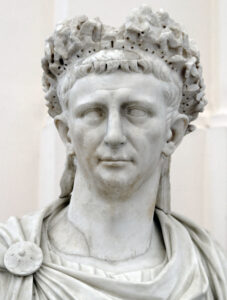
Why do we call him "Emperor of Dices"?
Even though it isn’t an official title on his list of names and titles, he was an emperor who loved to play dices with all kinds of people with all kinds of origins in his country, being rich or poor he did not care has long has he could play and have a good time, even redesigned his carriage to minimize dice-roll disruption and writing a book on gambling, “De arte aleae”, on the art of the dice which detailed the intricacies and strategies of dice games. Although the book has been lost to history, references to it by historians like Suetonius suggest that it was a comprehensive guide on the subject.
Who Was Emperor Claudius?
Emperor Claudius, who ruled Rome from 41 to 54 AD, was notably passionate about gambling, particularly the game of dice. Historical accounts describe Claudius as a highly skilled and enthusiastic dice player who would play frequently, often disregarding social norms or even his imperial duties. His love for gambling was so intense that he allegedly had a board attached to his chariot so he could play dice while traveling. Suetonius, a Roman historian, recorded that Claudius even wrote a book on dice games, though this work has not survived.
In gambling culture, Claudius is often remembered as one of the first well-known rulers with a serious interest in games of chance, contributing to his legacy as a ruler with unique and sometimes eccentric personal habits. His dedication to dice games has led some to see him as a sort of early figurehead or symbolic “patron” in gambling circles, especially among enthusiasts of dice games.
What does he symbolize?
In the context of gambling, Claudius’s dedication to dice games reflects his unconventional nature and fascination with chance and risk. His love for gambling symbolizes the dual nature of risk-taking: it can represent both the unpredictable dangers of political life and the calculated risks that allowed him to secure and maintain his rule. Claudius’s interest in gaming also demonstrates the human, relatable side of a Roman emperor, highlighting that even powerful figures indulged in games of chance.
First