The History of Gambling
First Known activities of gambling
The Earliest records of Gambling: Ancient China
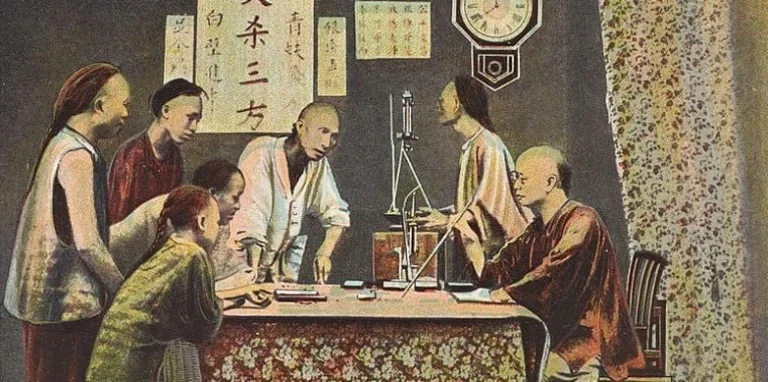
the earliest records of gambling and betting are believed to originate from ancient China. Evidence suggests that rudimentary forms of gambling were practiced as far back as 2300 BCE. Some historians point to ancient Chinese texts that mention “drawing wood” or “lots,” which were likely early forms of lotteries.
In particular, the Chinese are credited with developing games that resemble modern-day keno or lottery-style gambling. It is believed that the money raised from these early gambling games was even used to fund government projects, such as the construction of the Great Wall of China.
While ancient China offers some of the earliest records, gambling also has a deep history in other ancient civilizations, including Egypt, Greece, and Rome, where dice games, betting on athletic events, and other forms of wagering were common.
The earliest records of gambling come from ancient China, with evidence of games as early as 2300 BCE. Early forms of gambling included lotteries like “drawing wood” or “lots,” resembling modern keno, which helped fund projects like the Great Wall. Dice games, dating back to 3000 BCE, were used for both religious purposes and betting. Tile-based games, precursors to mahjong, also involved wagering on luck or strategy. These early games influenced more complex gambling systems in China and other civilizations such as Egypt, Greece, and Rome..
First Modern Casino
The Ridotto, established in 1638 in Venice, Italy, is widely regarded as the first official casino. It was created by the Venetian government to provide a regulated and controlled environment for gambling during the city’s bustling Carnival season. By legalizing and centralizing gambling, the Venetian authorities aimed to both satisfy the public’s appetite for games of chance and curb the chaos associated with unregulated gambling throughout the city.
Housed in the Palazzo Dandolo near the San Moisè Church, the Ridotto was a grand and opulent venue. It primarily catered to the wealthy and noble classes, who could afford the high-stakes games and luxurious atmosphere. The Ridotto offered popular games like biribi, a lottery-style game, and basetta, a complex mix of poker, gin rummy, and blackjack, which became famous for its high stakes and risky gameplay.
Visitors dressed in elaborate masks and costumes as part of the Carnival tradition, adding a layer of anonymity and mystique to the Ridotto’s atmosphere. However, the casino faced criticism over time. Many saw it as a corrupting influence that encouraged recklessness and moral decay. In 1774, the Venetian government, under pressure from those who opposed gambling on moral grounds, closed the Ridotto permanently. Despite its closure, the Ridotto left a lasting legacy, setting the stage for the development of modern casinos around the world by proving that gambling could be both a lucrative and sophisticated enterprise when regulated.

First Slot machine
When Was the First Slot Machine Invented? Here’s How It Started
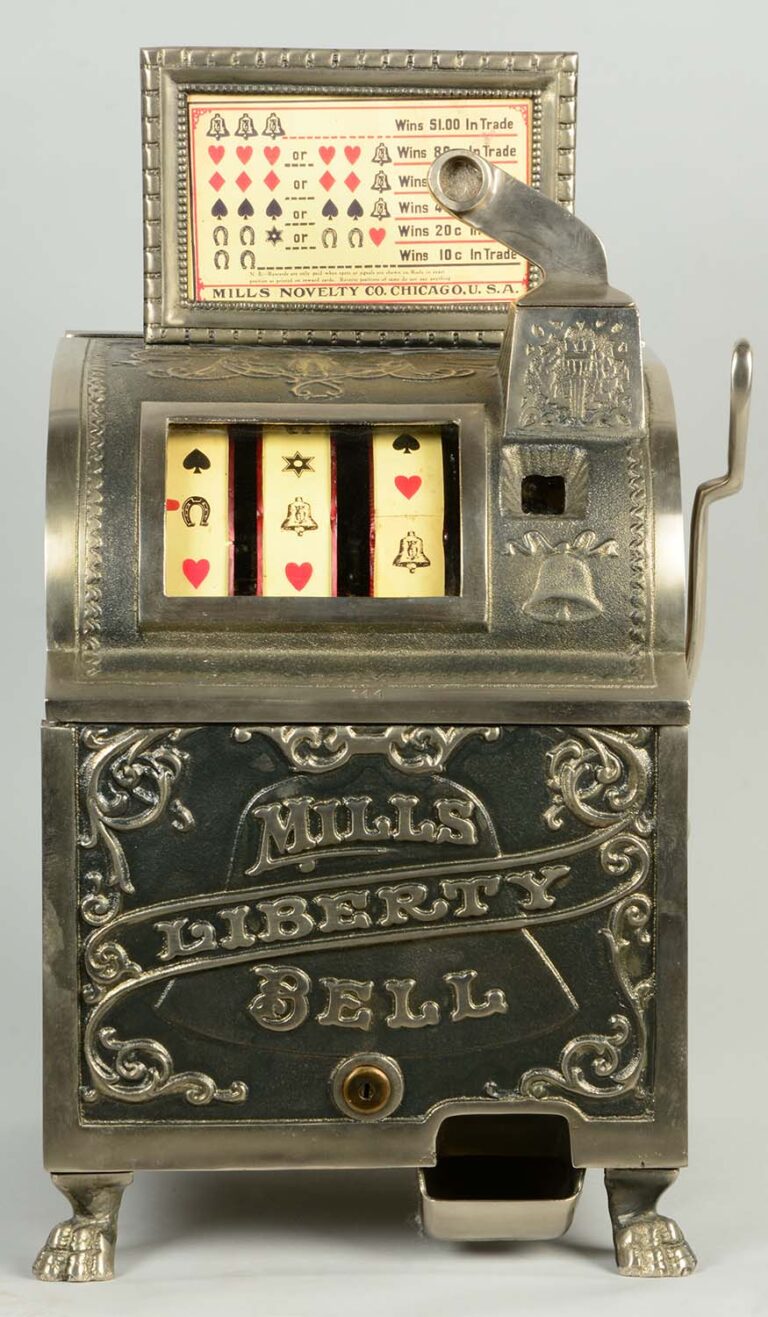
German-born mechanic and inventor Charles Fey migrated to the US in 1881. In 1887, he created the Liberty Bell, a slot machine with three reels, each bearing five symbols: horseshoes, bars, bells, and stars (now called cherries). The first three symbols acted as wild cards, offering a chance to win up to 500 coins. Fey’s invention gained immense popularity and inspired others to produce their own machines with varied symbols and additional features.
Whether you’re a seasoned player or a newcomer, understanding how to play in casinos can enhance your gaming experience. From the original three-reel machines to today’s modern video slots, each game offers unique features and winning combinations. Knowing how to leverage these can significantly increase your chances of hitting the jackpot.